
S-02 · CLOUD ENGINEERING
Cloud Application Development
Resilient cloud-native applications engineered on Azure and modern cloud platforms to scale cleanly and control running costs.
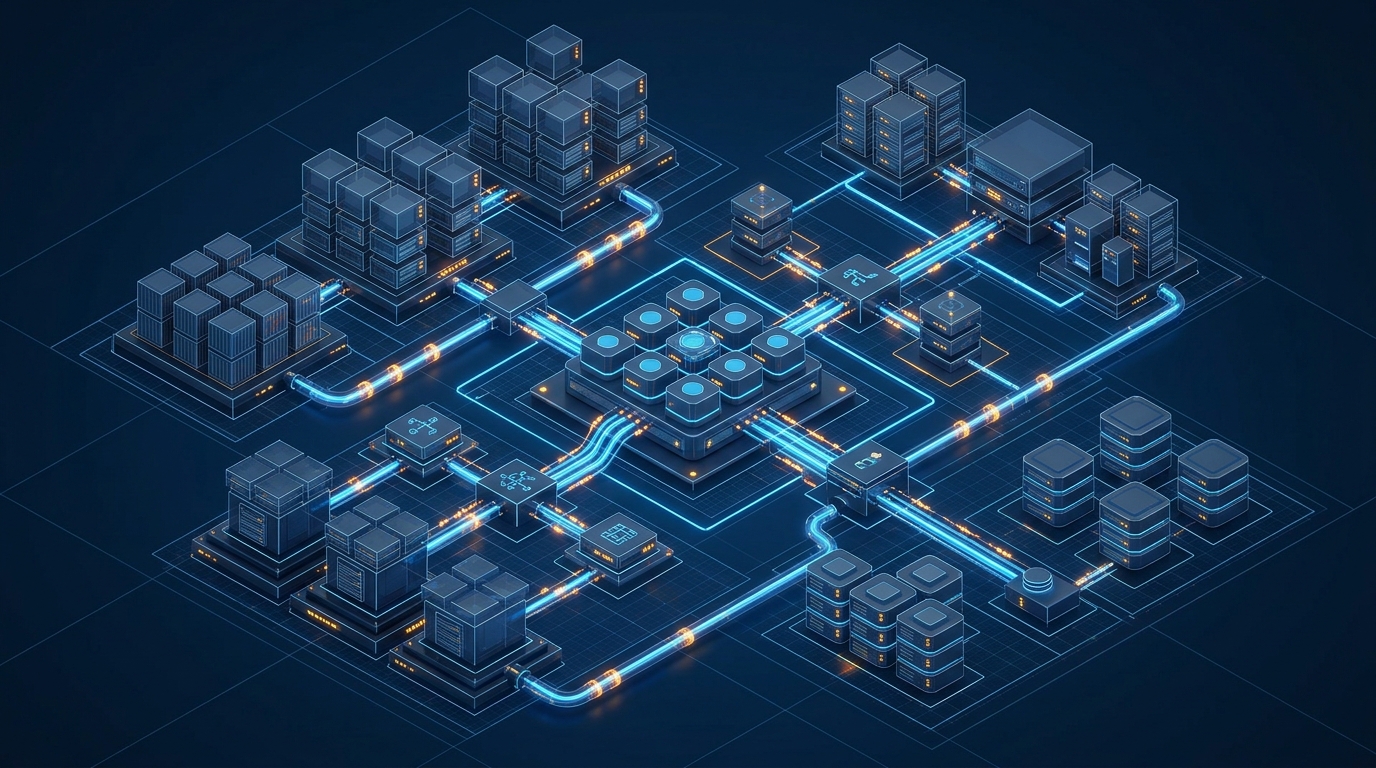
Running software on cloud infrastructure only delivers its promised reliability and cost efficiency when the application itself is designed for cloud primitives—stateless compute, managed backing services, queue-based load levelling and least-privilege identity.
Mech Azure designs and builds cloud-native applications and backend services on Microsoft Azure and compatible cloud environments, balancing availability, operational simplicity and predictable monthly spend.
Typical Operational Problem
Applications lifted onto virtual machines without cloud-native patterns suffer from manual patching overhead, scaling bottlenecks during peak load and idle compute waste during quiet hours.
Intended Customers & Use Cases
This service is designed for organisations and technical teams in situations like:
- Businesses launching new cloud-hosted SaaS products or customer-facing services
- Teams replacing brittle single-server deployments with managed container or serverless runtimes
- Organisations needing asynchronous background processing for heavy reports, jobs or events
- Engineering teams standardising workload security and identity on Microsoft Azure
SERVICE SCOPE
What is included
Concrete engineering activities and deliverables structured within a typical engagement.
Cloud Workload Sizing & Runtime Selection
Select appropriate compute models—containers, App Services or serverless functions—matched to traffic profiles.
Stateless Service & Queue Architecture
Decouple slow or bursty tasks using message queues, event buses and idempotent background workers.
Managed Persistence & Caching
Configure managed relational databases, object storage and caching layers with automated backup policies.
Managed Identity & Secret Management
Eliminate hardcoded connection strings using cloud-managed identities and encrypted key vaults.
Environment Isolation & Networking
Separate development, staging and production workloads with clear network boundaries and access rules.
Cost Tagging & Resource Controls
Apply resource naming conventions, budget alerts and right-sizing baselines from initial deployment.
Scope Boundaries & Client Prerequisites
To keep delivery predictable and transparent, the following boundaries apply unless explicitly agreed otherwise:
- Cloud subscription billing remains directly under your organisation’s cloud tenant so you retain full administrative ownership.
- 24/7 manned security operations centre (SOC) monitoring is not included unless separately arranged.
- Application performance targets depend on upstream third-party APIs and agreed cloud service tiers.
ENGAGEMENT WORKFLOW
How Cloud Application Development runs
A staged sequence with clear checkpoints from initial scoping through verification and handover.
- 1
Workload & Traffic Profiling
Assess concurrency patterns, data residency needs, latency targets and budget guardrails.
- 2
Cloud Architecture Blueprint
Document compute, storage, networking, identity and cost estimates before provisioning.
- 3
Service & Infrastructure Build
Develop cloud services alongside repeatable provisioning templates and CI/CD pipelines.
- 4
Resilience & Load Verification
Test scaling behaviour, timeout handling, secret rotation and backup restoration.
- 5
Production Launch & Cost Review
Go live with health dashboards active and review actual post-launch resource utilisation.
SERVICE FAQS
Common technical & commercial questions
Rarely at the start. Managed container platforms, PaaS app services or serverless functions deliver high reliability with far lower operational overhead for most business workloads. We only introduce Kubernetes when workload topology genuinely justifies it.
We set explicit auto-scaling ceilings, configure cloud budget alerts, tag resources by environment and component, and avoid over-provisioned always-on tiers where consumption-based compute fits better.
Yes. Workloads and managed data stores can be provisioned in Australian cloud regions (such as Azure Australia East / Southeast) to support local latency and data residency preferences.
Complementary Services
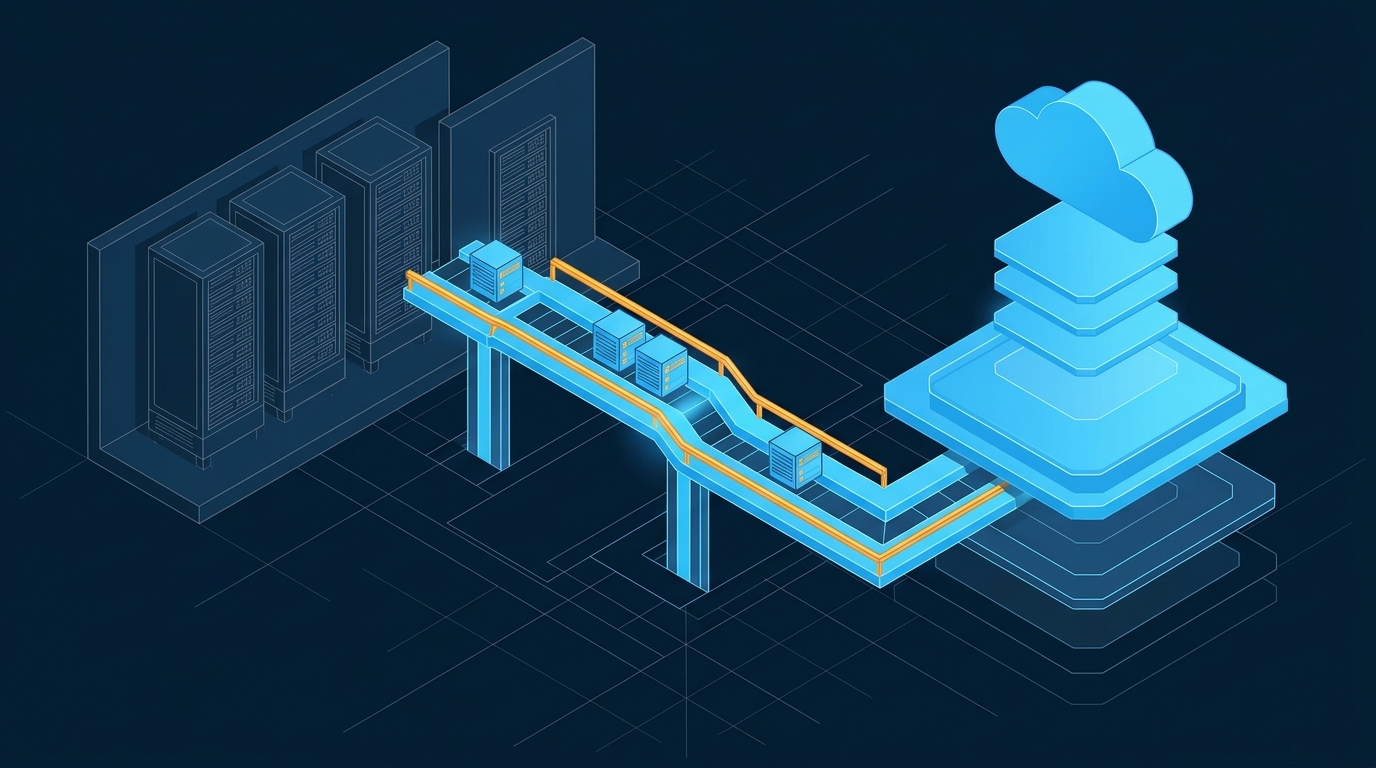
Cloud Migration Planning
Structured workload assessments, dependency mapping, cost modelling and phased cutover plans before moving systems to the cloud.
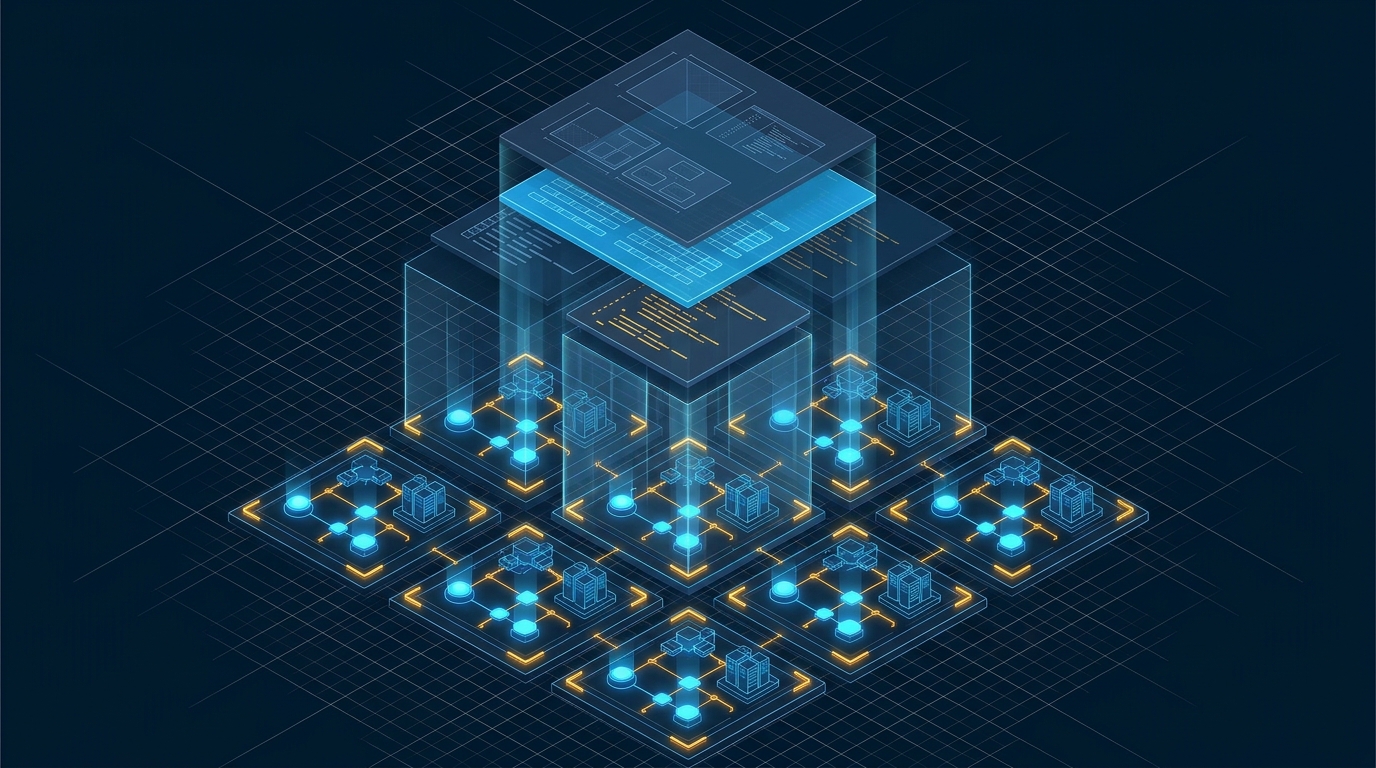
Infrastructure Automation
Repeatable Infrastructure as Code (Bicep, Terraform) so cloud environments are version-controlled, auditable and consistent.
DevOps and CI/CD Implementation
Automated build, test, security check and deployment pipelines that make software releases routine, auditable and reversible.
Related Reading
Cloud Strategy · 7 min read
What to Consider Before Moving Applications to the Cloud
Web & Architecture · 8 min read
Designing Scalable Web Applications: Core Principles
Building a new cloud workload or replatforming an existing service?
Share your expected workload, region preferences and timeline to discuss a right-sized cloud application architecture.
info@mechazure.com.au · Norwest, NSW