
S-07 · PLATFORM ENGINEERING
Infrastructure Automation
Repeatable Infrastructure as Code (Bicep, Terraform) so cloud environments are version-controlled, auditable and consistent.
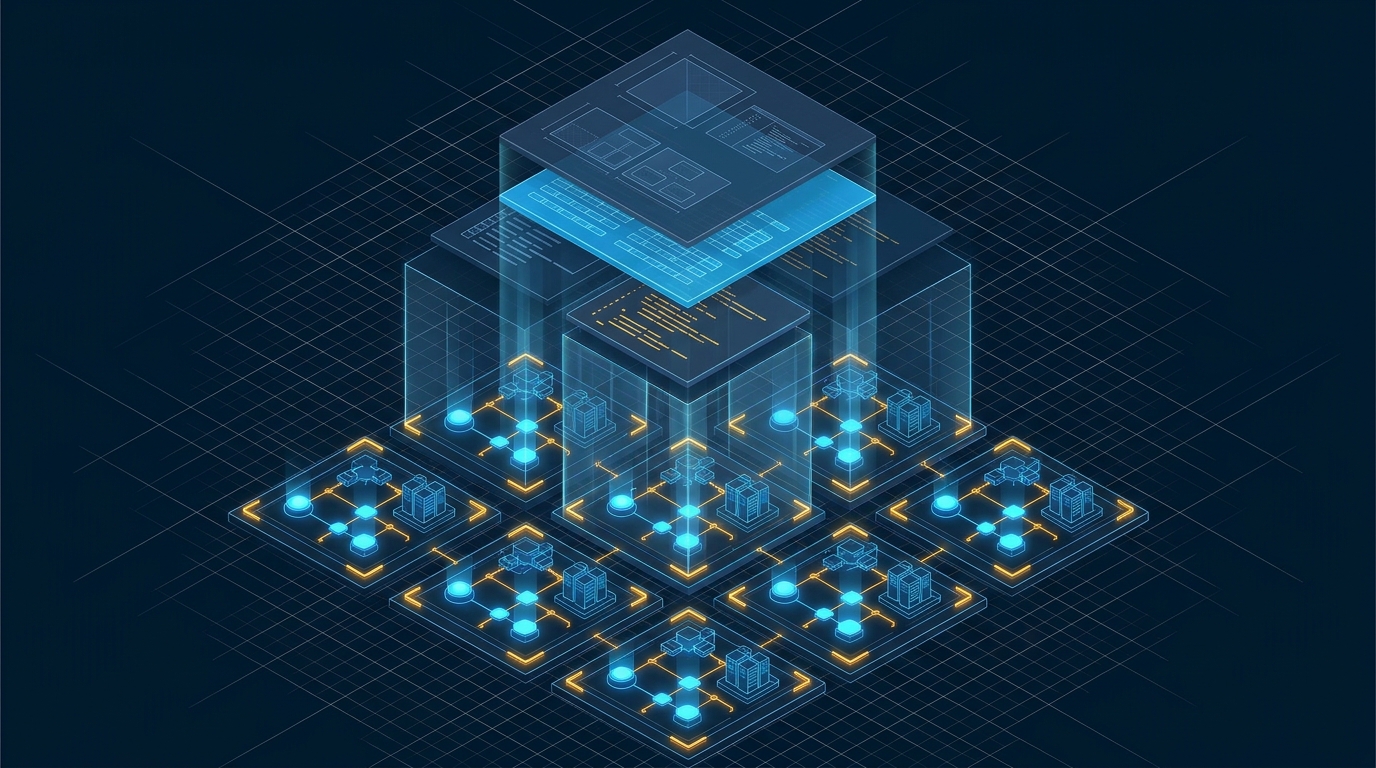
Provisioning cloud resources by clicking through web portals ("ClickOps") works once, until someone needs a matching staging environment, an accidental firewall change causes an outage, or nobody remembers which settings are safe to delete.
Mech Azure codifies cloud environments using Infrastructure as Code (Azure Bicep and Terraform), turning networks, compute, managed databases, key vaults and alerts into peer-reviewed, version-controlled modules.
Typical Operational Problem
Hand-configured cloud environments drift out of sync between staging and production, hide undocumented security changes and slow down recovery or scaling.
Intended Customers & Use Cases
This service is designed for organisations and technical teams in situations like:
- Cloud teams managing growing Azure or multi-environment footprints manually through portal clicks
- Organisations needing reproducible dev, test, staging and disaster-recovery environments
- Businesses strengthening governance with consistent naming, tagging, RBAC and network policies
- SaaS providers provisioning isolated single-tenant stacks repeatably for enterprise customers
SERVICE SCOPE
What is included
Concrete engineering activities and deliverables structured within a typical engagement.
IaC Tooling & State Architecture
Establish remote state locking, state encryption or Azure deployment stacks using Terraform or Bicep.
Reusable Infrastructure Modules
Author composable, parameterised modules for networking, compute, storage, identity and monitoring.
Import & Codification of Existing Resources
Audit existing cloud resources and bring critical infrastructure safely under IaC management without disruption.
Policy, Tagging & RBAC Guardrails
Enforce mandatory cost tags, allowed regions, TLS baselines and least-privilege role assignments.
Automated Plan & Apply Pipelines
Run `plan` / `what-if` previews automatically on pull requests so infrastructure diffs are reviewed before apply.
Disaster Recovery & Rebuild Runbooks
Document step-by-step environment bootstrap and state recovery procedures for your operations team.
Scope Boundaries & Client Prerequisites
To keep delivery predictable and transparent, the following boundaries apply unless explicitly agreed otherwise:
- Destructive infrastructure changes (such as VNet CIDR re-addressing) require scheduled maintenance windows if existing workloads cannot be blue/green swapped.
- Application-level data backups remain distinct from infrastructure definition state—both are configured, but data restoration follows backup policies.
- Administrative permissions in non-production and designated subscription scopes are needed during setup.
ENGAGEMENT WORKFLOW
How Infrastructure Automation runs
A staged sequence with clear checkpoints from initial scoping through verification and handover.
- 1
Cloud Footprint Audit
Inspect current subscriptions, resource groups, manual configurations and security posture.
- 2
Module & Naming Standards
Agree repository layout, state backend, naming conventions and environment parameter files.
- 3
Module Authoring & Non-Prod Validation
Provision clean non-production environments from scratch to prove repeatability.
- 4
Pipeline Integration & Guardrails
Wire IaC validation, security linting and approval gates into your CI/CD platform.
- 5
Production Alignment & Handover
Align production state cleanly and train internal engineers on module updates.
SERVICE FAQS
Common technical & commercial questions
If your workloads are exclusively on Microsoft Azure, Bicep offers zero state-file management and immediate day-one Azure resource support. If you operate across Azure plus AWS, Cloudflare, GitHub or other providers, Terraform provides a unified workflow. We support both.
Yes. Both Terraform (`import` blocks) and Bicep allow importing or aligning existing live resources carefully, verified via non-destructive diff checks before applying changes.
We combine resource locks (`CanNotDelete`), separate state scopes for stateful data tiers, mandatory PR `plan`/`what-if` reviews and restricted service-principal permissions.
Complementary Services
DevOps and CI/CD Implementation
Automated build, test, security check and deployment pipelines that make software releases routine, auditable and reversible.
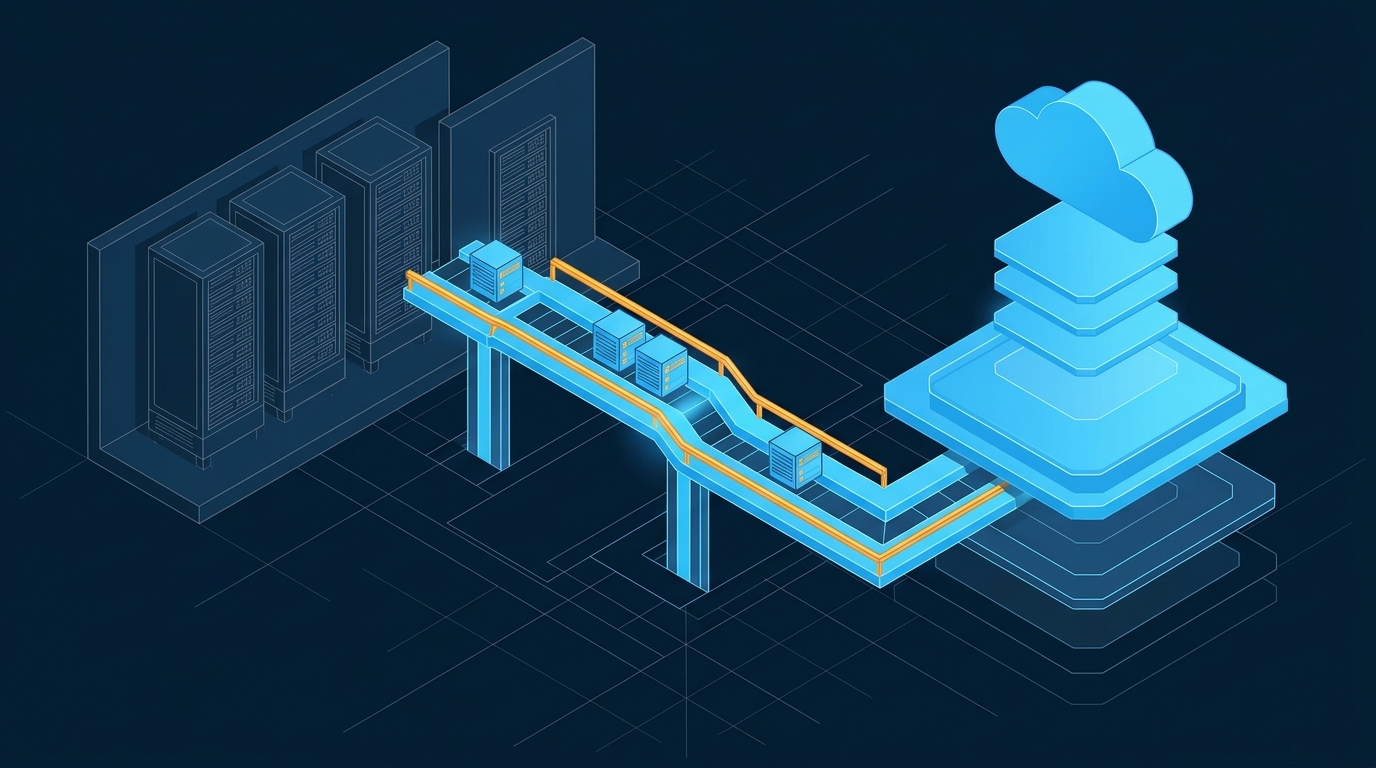
Cloud Migration Planning
Structured workload assessments, dependency mapping, cost modelling and phased cutover plans before moving systems to the cloud.
Cloud Application Development
Resilient cloud-native applications engineered on Azure and modern cloud platforms to scale cleanly and control running costs.
Related Reading
Cloud Strategy · 7 min read
What to Consider Before Moving Applications to the Cloud
DevOps & Delivery · 6 min read
How CI/CD Improves Software Delivery Processes
Want cloud environments you can spin up and audit from Git?
Share your current cloud setup and whether you prefer Bicep or Terraform—we will scope a practical IaC rollout.
info@mechazure.com.au · Norwest, NSW