Executive Takeaways
- True scalability covers both traffic growth (requests per second) and codebase growth (engineers shipping features without stepping on each other).
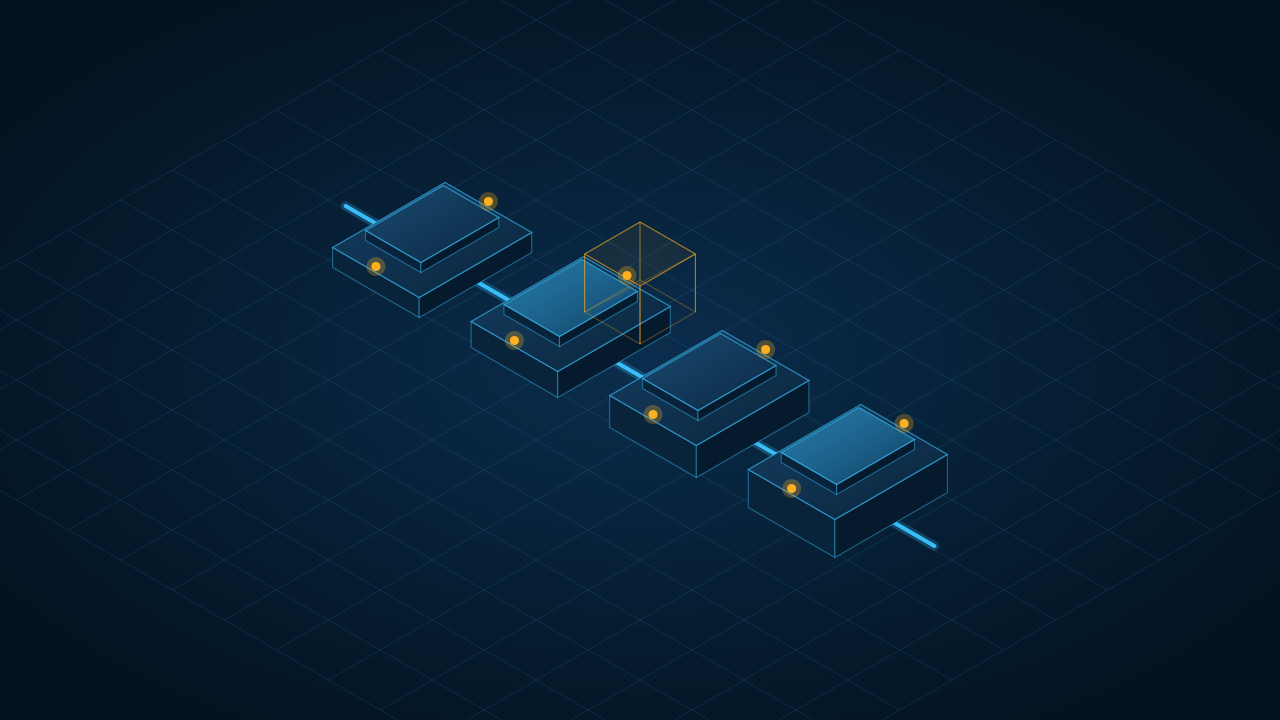
- Databases—not web servers—are the primary bottleneck in the vast majority of business web applications.
- Offloading slow email, PDF, export and webhook tasks to background queues keeps user-facing response times fast under load.
1. Recognise both runtime scale and engineering scale
When teams talk about "scalability", they usually picture sudden traffic spikes. Yet many web platforms struggle long before hitting CPU limits because their codebase has become a tangled ball of mud where changing a billing rule accidentally breaks user sign-in.
A genuinely scalable web architecture stays responsive as concurrent users, stored row counts and feature complexity grow—without requiring heroic manual intervention or runaway infrastructure bills.
2. Keep web and API compute tiers stateless
If a user’s session state, uploaded files or temporary progress lives exclusively in the memory or local disk of one specific server instance, scaling horizontally becomes painful. Load balancers require sticky sessions, and restarting a container logs active users out.
By keeping web instances stateless—storing sessions in encrypted tokens or shared Redis/database stores, and streaming user uploads directly to object storage—cloud platforms can add or replace instances seamlessly in seconds.
3. Design around the database first
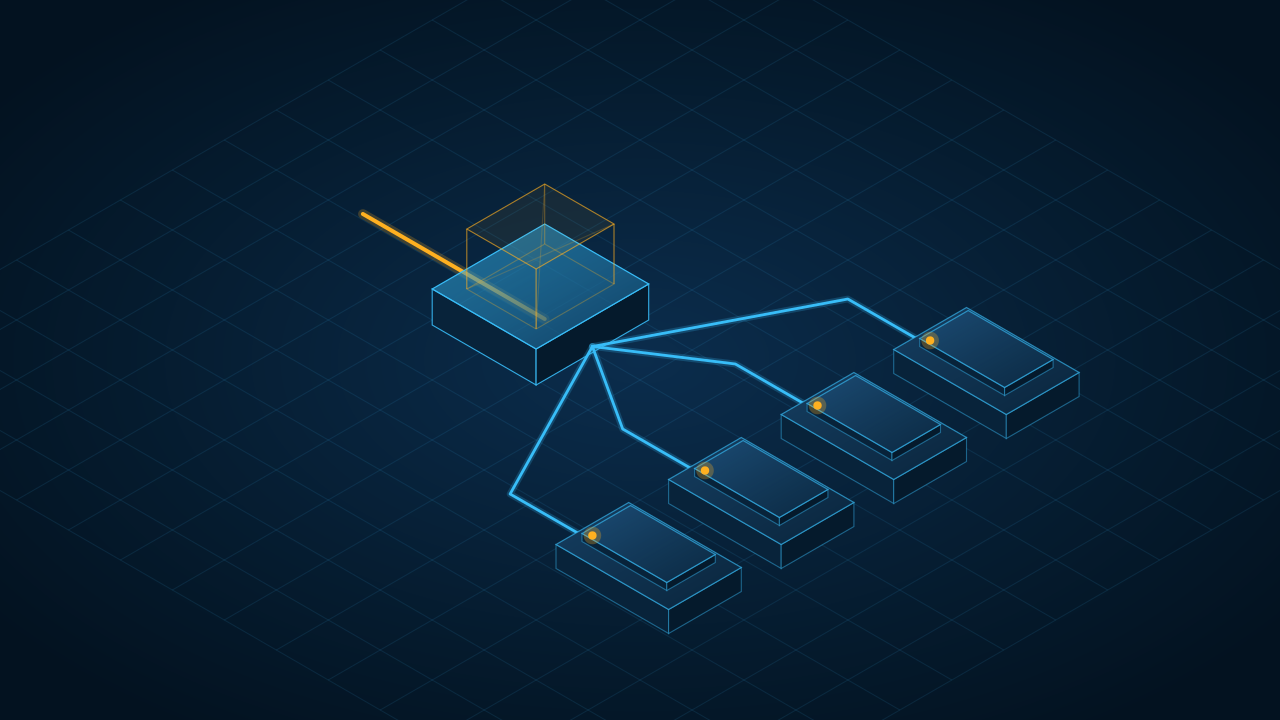
Adding four more stateless web containers takes seconds; untangling a locked relational database table at peak business hours is far harder. Sound data-tier habits deliver huge headroom on modest hardware:
- Index real query patterns: Inspect actual `WHERE`, `JOIN` and `ORDER BY` clauses and eliminate N+1 ORM query loops.
- Bound every query: Enforce pagination limits on list endpoints and time-window filters on historical views.
- Pool connections wisely: Use connection pooling so bursty serverless or container replicas do not exhaust database connection slots.
- Separate heavy analytics: Route complex management reporting to read replicas or dedicated analytical stores.
4. Move slow work off the request path and cache deliberately
A browser request should validate input, commit essential state and return promptly. Generating multi-page PDFs, resizing images, syncing third-party CRMs or sending batch notifications belongs on a durable background queue with retry handling.
Likewise, place immutable static assets behind a Content Delivery Network (CDN), and apply application-level caching selectively to expensive, read-heavy reference data—always with explicit cache-invalidation or short TTL rules so stale data never surprises users.