
ART-03 · DEVOPS & DELIVERY · 6 MIN READ

How CI/CD Improves Software Delivery Processes

Continuous Integration and Continuous Delivery (CI/CD) replace error-prone manual deployments with automated build, test and release pipelines. The result is smaller, safer changes, faster defect detection and repeatable rollbacks.

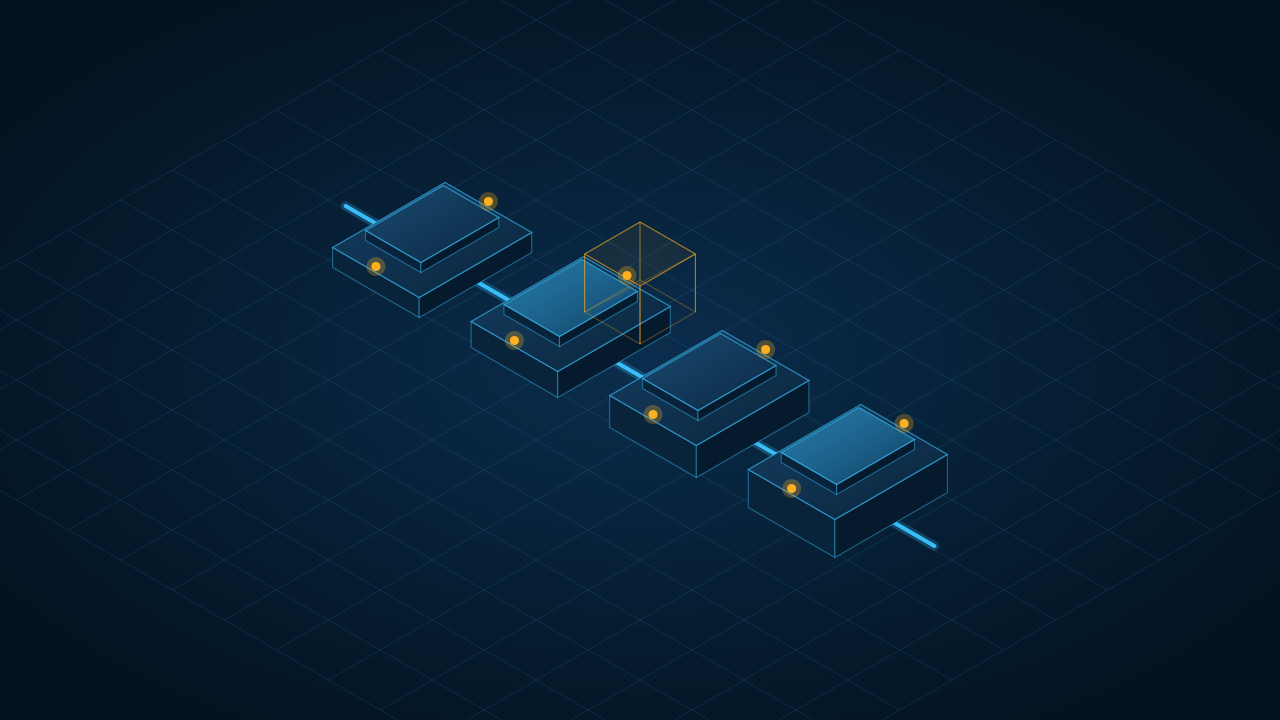
Isometric illustration of automated CI/CD release stages connected by a luminous delivery track

Executive Takeaways

  • Automating builds and tests on every pull request catches type errors, broken tests and leaked secrets before code merges.
  • Building an immutable artefact once and promoting it across dev, staging and production eliminates "it worked on my machine" drift.
  • Fast, predictable rollbacks matter just as much as automated deployments when managing production risk.

1. The hidden cost of manual deployments

In many teams, deploying an application still relies on a multi-page checklist—or worse, tribal knowledge held by a single senior developer. Because releasing feels risky and time-consuming, the team delays deployments from weekly to monthly. Each release then accumulates dozens of unrelated changes.

When a large batched release fails in production, isolating which change caused the regression becomes slow and stressful. Engineers burn evenings firefighting, business stakeholders lose confidence in delivery dates, and urgent security patches wait behind unfinished features.

2. Separating Continuous Integration from Continuous Delivery

Although grouped under one acronym, CI and CD solve two distinct stages of the software lifecycle:

  • Continuous Integration (CI): Every time a developer opens or updates a pull request, an automated runner checks out the clean repository, installs locked dependencies, verifies formatting and types, runs automated tests and scans for known package vulnerabilities.
  • Continuous Delivery (CD): Once verified code merges, the pipeline packages a versioned build artefact (such as a container image or static bundle), deploys it automatically to staging, runs smoke checks and awaits controlled promotion to production.

3. Practical safety gates that earn business trust

Adopting CI/CD does not mean pushing unreviewed code straight to live customers without oversight. Well-engineered commercial pipelines enforce clear governance automatically:

  • Peer review & branch protection: No direct pushes to `main`; automated checks must pass before merge is unlocked.
  • Build once, promote everywhere: The exact binary or container tested in staging is promoted to production rather than rebuilt from scratch.
  • Forward-compatible database changes: Schema migrations are versioned and structured so brief version overlap during rollout does not break active requests.
  • Automated post-deploy health probes: Pipelines verify application health endpoints immediately after release and halt or roll back if error rates spike.
Engineering Note: Every pipeline run creates a permanent audit record: who authored the change, who reviewed it, which tests passed and the exact timestamp it reached production.

4. Adopting CI/CD incrementally without halting feature work

Teams do not need 95% unit-test coverage on day one to benefit from pipeline automation. A pragmatic rollout starts by automating reproducible builds, linting and staging deployments in GitHub Actions or Azure DevOps within days.

Once manual deployment steps are eliminated, teams steadily add critical integration tests, secret scanning, infrastructure-as-code previews and production approval gates—compounding reliability week after week.
Related Mech Azure Services

DevOps and CI/CD Implementation

Automated build, test, security check and deployment pipelines that make software releases routine, auditable and reversible.

Infrastructure Automation

Repeatable Infrastructure as Code (Bicep, Terraform) so cloud environments are version-controlled, auditable and consistent.

Application Monitoring and Maintenance

Structured telemetry, actionable alerting, dependency patching and preventative engineering to keep live applications healthy.

Continue Reading

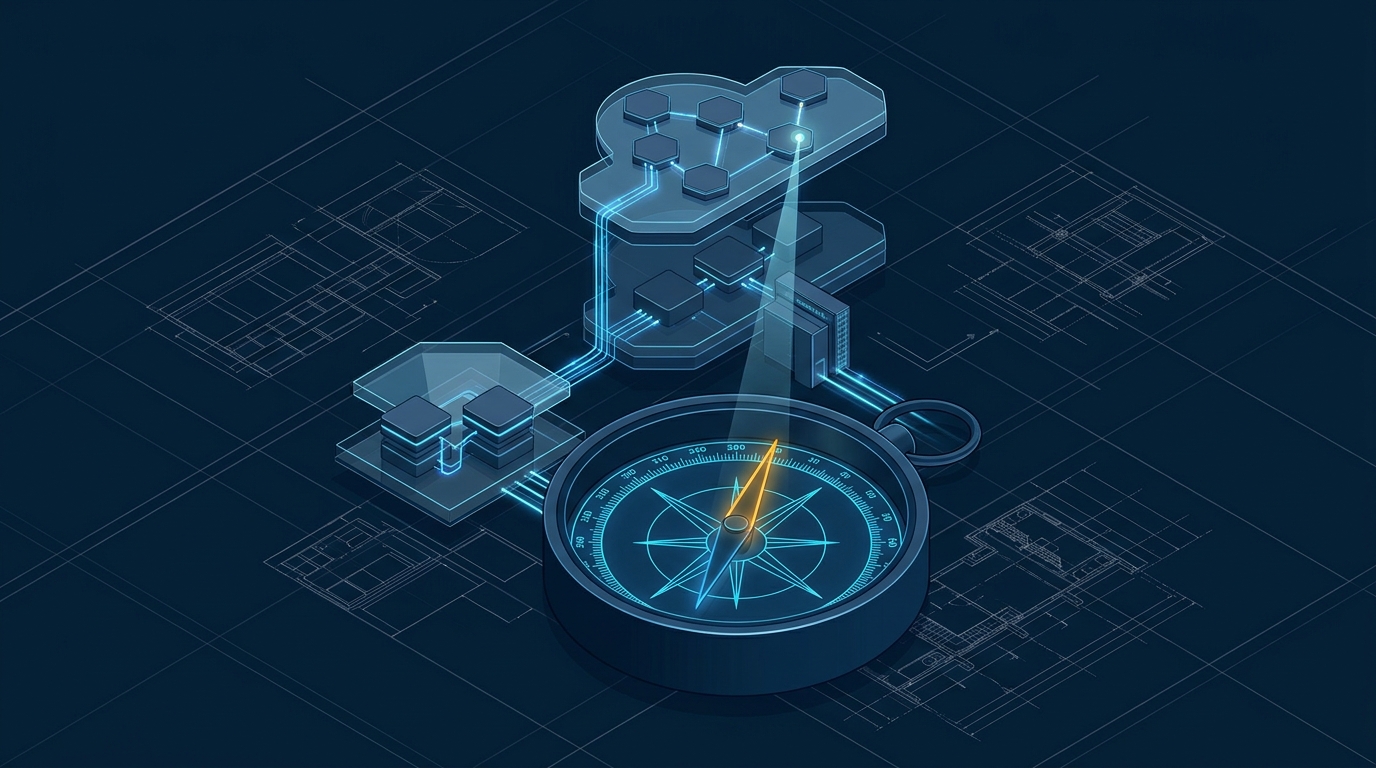
Technical illustration of a navigation compass and layered cloud topology map over a dark blueprint grid

Cloud Strategy · 7 min read

What to Consider Before Moving Applications to the Cloud

Moving workloads to the cloud rewards preparation and punishes guesswork. Before migrating servers or databases, teams should map hidden dependencies, match each workload to the right hosting model, verify licensing and establish cost guardrails.

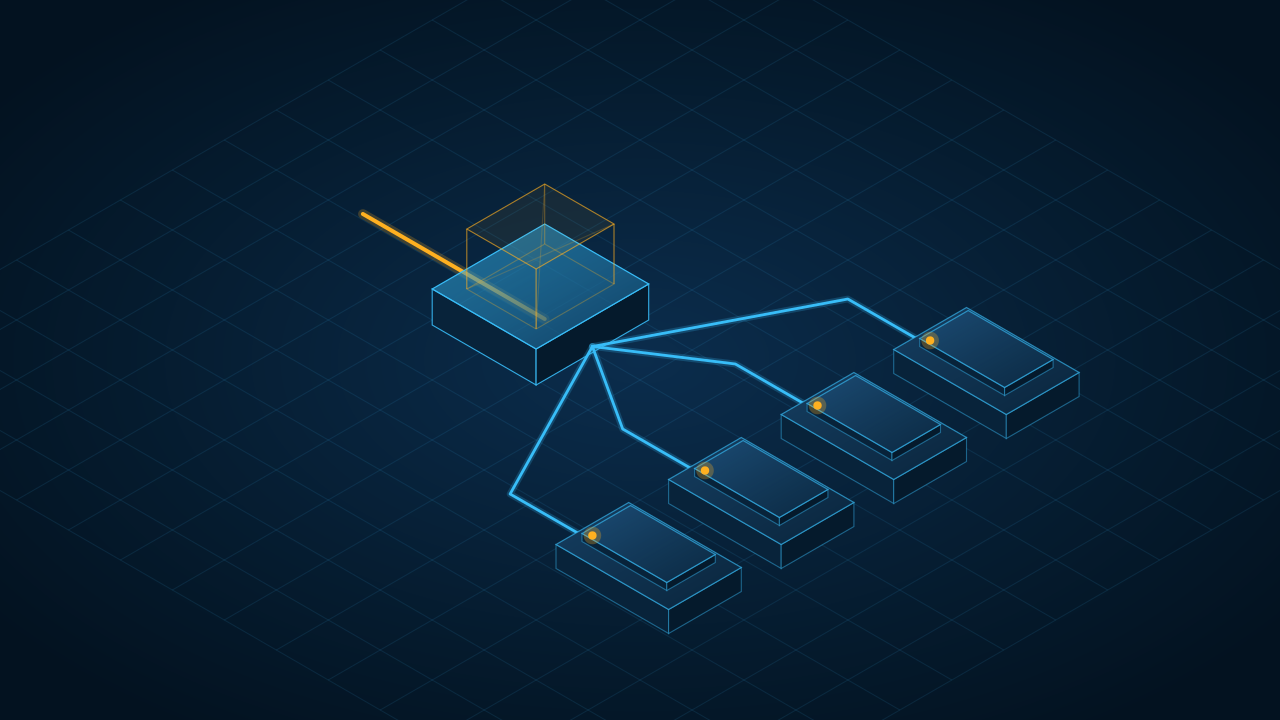
Isometric illustration of a load-balancing node distributing traffic evenly across horizontally scaled web tiers

Web & Architecture · 8 min read

Designing Scalable Web Applications: Core Principles

Scalability is less about exotic distributed frameworks and more about eliminating shared bottlenecks early. Stateless application tiers, disciplined database access, asynchronous background queues and edge caching let web platforms grow smoothly without premature complexity.

Need hands-on engineering support with this topic?

Share your current architecture or operational bottleneck—we will outline practical options tailored to your environment.

info@mechazure.com.au · Norwest, NSW