Executive Takeaways
- Drafting an explicit OpenAPI contract before coding lets frontend, backend and integration engineers build in parallel without guesswork.
- API-first pays the highest dividend when multiple consumers—web portals, mobile apps, partner connectors or ERP workflows—share core business capabilities.
- Good business APIs model stable domain concepts rather than exposing raw internal database tables.
1. What "API-first" means in plain engineering terms
In many traditional software builds, the database and user interface are built together first, and an API is hastily bolted on months later when a partner, mobile app or reporting tool needs access to the same data. Because the internal logic was tangled up with screen layouts, that bolted-on API ends up awkward, inconsistent and fragile.
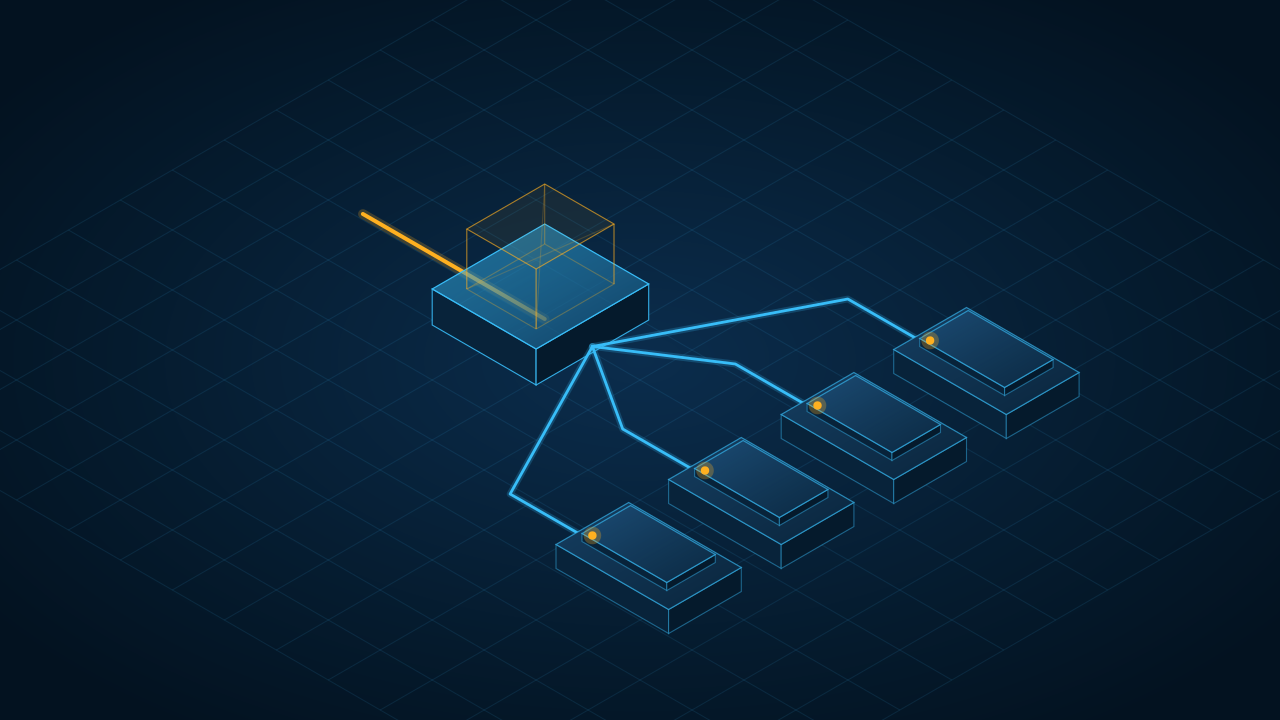
API-first flips the sequence. Before writing implementation code, engineers and domain stakeholders define the exact operations, data payloads, validation rules and error responses in a machine-readable specification such as OpenAPI. Both your own web interface and external integrations then consume that same clean, documented boundary.
2. Commercial scenarios where API-first clearly pays off
Designing contracts up front takes disciplined thought, and it delivers the strongest commercial return when at least one of these conditions holds:
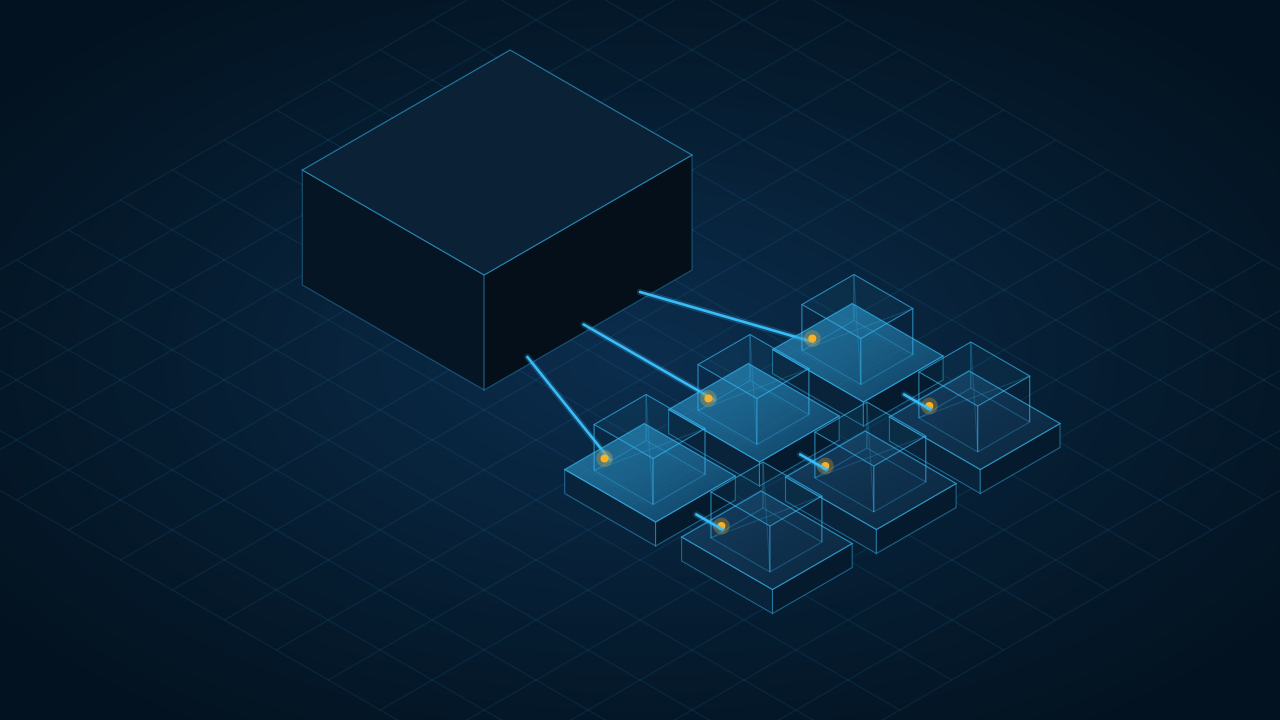
- Multiple interfaces share the same business rules—for instance, a customer portal, an internal staff console and automated partner ordering.
- Core workflows span ERP, CRM, billing and fulfilment platforms that must exchange validated events without manual CSV uploads.
- Frontend and backend developers are working concurrently and cannot afford to wait weeks for live endpoints before testing UI flows.
- You plan to offer B2B customers programmatic access to orders, telemetry or status updates as a product differentiator.
3. When a lighter approach is sensible
Good architecture avoids ceremony where it adds no value. If you are building a self-contained internal tool with a single server-rendered web interface, no external integrations and a small co-located team, maintaining separate public API gateways and multi-version OpenAPI lifecycles can be unnecessary overhead.
Even then, keeping clean internal service boundaries in code makes exposing formal APIs straightforward later if requirements grow.
4. Hallmarks of a dependable business API
Whether consumed internally or externally, resilient APIs share several mechanical disciplines that save hundreds of hours of support effort over a system’s life:
- Domain-aligned schemas: Expose stable business concepts (such as an `OrderSubmission`) rather than raw database foreign keys that break callers whenever you refactor a table.
- Idempotency for state changes: Support idempotency keys on `POST` operations so a network retry never charges a customer twice or creates duplicate work orders.
- Consistent error structures: Return structured machine-readable error codes alongside clear validation messages rather than generic `500` failures.
- Explicit pagination, timeouts and rate limits: Protect backend databases from unbounded queries and runaway client loops.
- Scoped authentication & audit trails: Issue least-privilege tokens and log correlation IDs across every downstream service hop.